Lida found that being isolated from friends, family and colleagues triggered her anxiety.
So she looked for creative ways she could focus on hope and connection.
She found that actually her family was able to become more connected, albeit from afar.
Hear from Lida in this video, and watch to the end for a particularly joyful way Lida finds resilience – are you joining in?!
Culture of Connection invites communities and organisations across Australia to record and share with us your unique experiences, your stories, your creativity and your messages of hope and resilience through these extraordinary circumstances.
In turn, we’ll share them with our community of 40,000 people across social media and e-news. Your story might just be the one that gets someone else through this time.
Read our guide for ideas to share and how to submit your story.
Coronavirus poses a devastating risk for families like Chelsea’s.
When Coronavirus first hit the news, Chelsea wasn’t sure how it would impact her.
First it affected her hobbies and lifestyle, but then her awareness grew of the devastating impact it could have on her Mum who is in palliative care.
In this video, Chelsea shares how she is coping personally, when spending time with her Mum at this incredibly important time has become difficult and risky.
Culture of Connection invites communities and organisations across Australia to record and share with us your unique experiences, your stories, your creativity and your messages of hope and resilience through these extraordinary circumstances.
In turn, we’ll share them with our community of 40,000 people across social media and e-news. Your story might just be the one that gets someone else through this time.
Read our guide for ideas to share and how to submit your story.
Our aim is to be here for the community through Coronavirus; to provide a platform for people to stay connected at a time when we are being asked to put physical distance between us. That’s why we’re running the Culture of Connection campaign.
But we want to know that what we’re doing is useful for the community.
We would be so grateful if you took a minute to answer 3 quick questions about how you are staying connected during Coronavirus.
When all this is over and life as we knew it starts to resume, we will ask another 3 questions to see how we did.
Thank you for your time and your opinion – we value it.
Culture of Connection invites communities and organisations across Australia to record and share with us your unique experiences, your stories, your creativity and your messages of hope and resilience through these extraordinary circumstances.
In turn, we’ll share them with our community of 40,000 people across social media and e-news. Your story might just be the one that gets someone else through this time.
Read our guide for ideas to share and how to submit your story.
In this Introduction to Anti-Racism session, social change consultant and trainer Erfan Daliri will unpack the social construct of race, discuss how it was created and touch on its historical and current implications.
Once we understand the ‘constructed nature of race’ we can then take a more informed look at the Anatomy of Racism and understand the ways in which it shows up in our world, and how we can undo it.
This session is a brief introduction to Erfan’s 8-module training course, Racial Justice 101.
For audiences in Queensland, the Northern Territory and Western Australia, please note this event is at 4pm Australian Eastern Daylight Time!
This is a free, live webinar via ZOOM.
Please RSVP and check your emails (including your junk mail folder) for the auto response email containing the ZOOM details.
This session is limited to 100 places only.
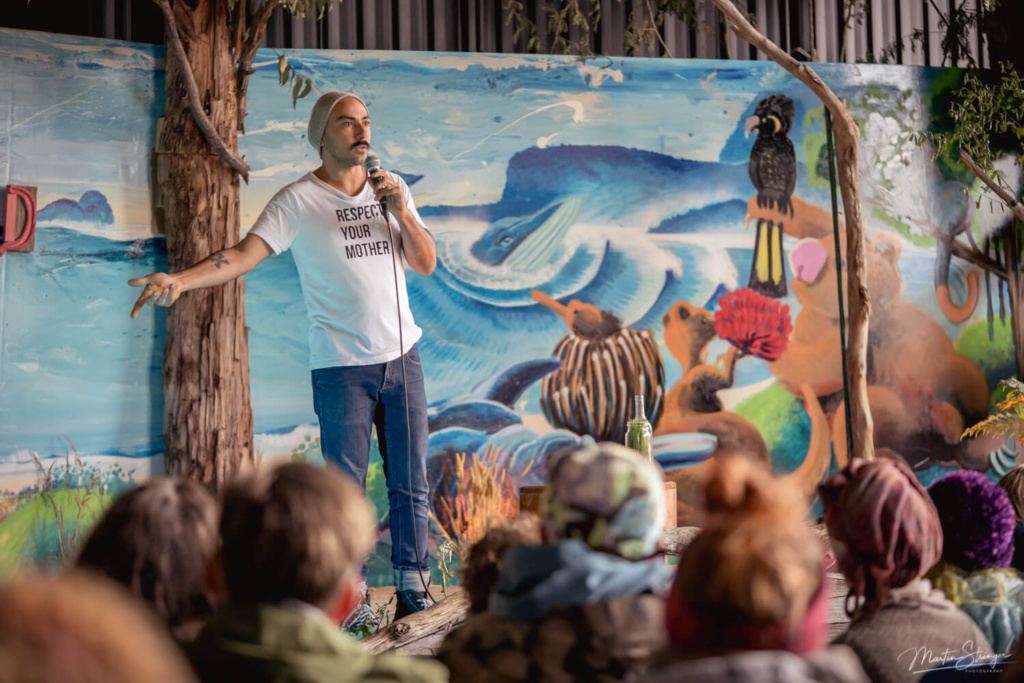
Erfan Daliri is a social change educator and consultant with a Master’s degree in Communication for Social Change and 20 years of experience in wide variety of relevant sectors.
His team of researchers and trainers are passionate about empowering you to create the positive social change you want, at whatever stage you are at.
Find out more about Erfan’s anti-racism training and consultancy services.
Go to www.erfandaliri.com/racial-justice-101
Sari lived in Singapore during the SARS epidemic and experienced food shortages in Uzbekistan following the collapse of the Soviet Union.
So how is Sari coping with the impacts of Coronavirus?
In this video, she talks about how hope and deliberate connection with friends keeps her positive.
Culture of Connection invites communities and organisations across Australia to record and share with us your unique experiences, your stories, your creativity and your messages of hope and resilience through these extraordinary circumstances.
In turn, we’ll share them with our community of 40,000 people across social media and e-news. Your story might just be the one that gets someone else through this time.
Read our guide for ideas to share and how to submit your story.
How is the Cachicamo Latin Harp family coping at home during Coronavirus?
Cachicamo Latin Harp is a family group based in Brisbane-Australia.
Coronavirus restrictions mean they can’t be out playing gigs, but you can hear a sample of their beautiful music that blends musical genres from South America and Mexico.
In this video, Sandra, Elkin, Thomas and Isabella talk about how they are faring through Coronavirus and their message to the community.
Culture of Connection invites communities and organisations across Australia to record and share with us your unique experiences, your stories, your creativity and your messages of hope and resilience through these extraordinary circumstances.
In turn, we’ll share them with our community of 40,000 people across social media and e-news. Your story might just be the one that gets someone else through this time.
Read our guide for ideas to share and how to submit your story.
Mu’ooz is a vibrant social enterprise serving fresh, authentic Eritrean cuisine while providing jobs and training for refugee women.
Through the leadership of Saba Abraham, over 240 refugee women have received work experience, training and employment in the last 12 years, and 97% are still in employment.
But, the Coronavirus restrictions have taken their toll on restaurants and small business, including Mu’ooz.
Saba and Mu’ooz are determined that the business will survive this, providing takeaway and delivery of this fresh, healthy cuisine across Brisbane.
You can help Mu’ooz continue to employ and train refugee women by ordering a delicious meal for takeaway or home delivery.
Support our local businesses during Coronavirus. Order now at www.muooz.com.au, through UberEats or Menulog, or by calling 0401 222 311.
Culture of Connection invites communities and organisations across Australia to record and share with us your unique experiences, your stories, your creativity and your messages of hope and resilience through these extraordinary circumstances.
In turn, we’ll share them with our community of 40,000 people across social media and e-news. Your story might just be the one that gets someone else through this time.
Read our guide for ideas to share and how to submit your story.
The Coronavirus has plunged us all into an uncertain time. And we’re being asked to put some physical distance between us at a time we would naturally be coming together for support.
That’s why Multicultural Australia has launched the Culture of Connection campaign.
Culture of Connection invites communities and organisations across Australia to record and share with us your unique experiences, your stories, your creativity and your messages of hope and resilience through these extraordinary circumstances.
In turn, we’ll share them with our community of 40,000 people across social media and e-news.
Your story might just be the one that gets someone else through this time.
Read our guide for ideas to share and how to submit your story.
We can stay connected through Coronavirus and emerge from this with a deeper sense of community and an unshakeable shared humanity.
Because Australia comes together in times of crisis. That’s our culture. It’s who we are.
We can’t wait to see you.
How often do we stop and reflect on moments that have made us feel like we truly belong in our community?
Is it the warm feeling of safety and contentment we may be lucky enough to feel as children at home with our family? Is it the connection parents and kids find with each other through the school-years? Is it the bonding over a shared passion on the sports field or at a concert?
Is it the assumption that people who look like us, dress like us and talk like us have had, give or take, the same fundamental experience of life? Does this make us feel more comfortable to give them a smile, and strike up a conversation?
But what if I’m not from around here? What if I look different to you and I’m learning English but I feel shy striking up a conversation with you because it’s really hard to understand your Aussie accent? And what if I am from here? I was born here. I speak like you. I dress like you. But I look different. So people look at me and talk to me as if I don’t belong here.
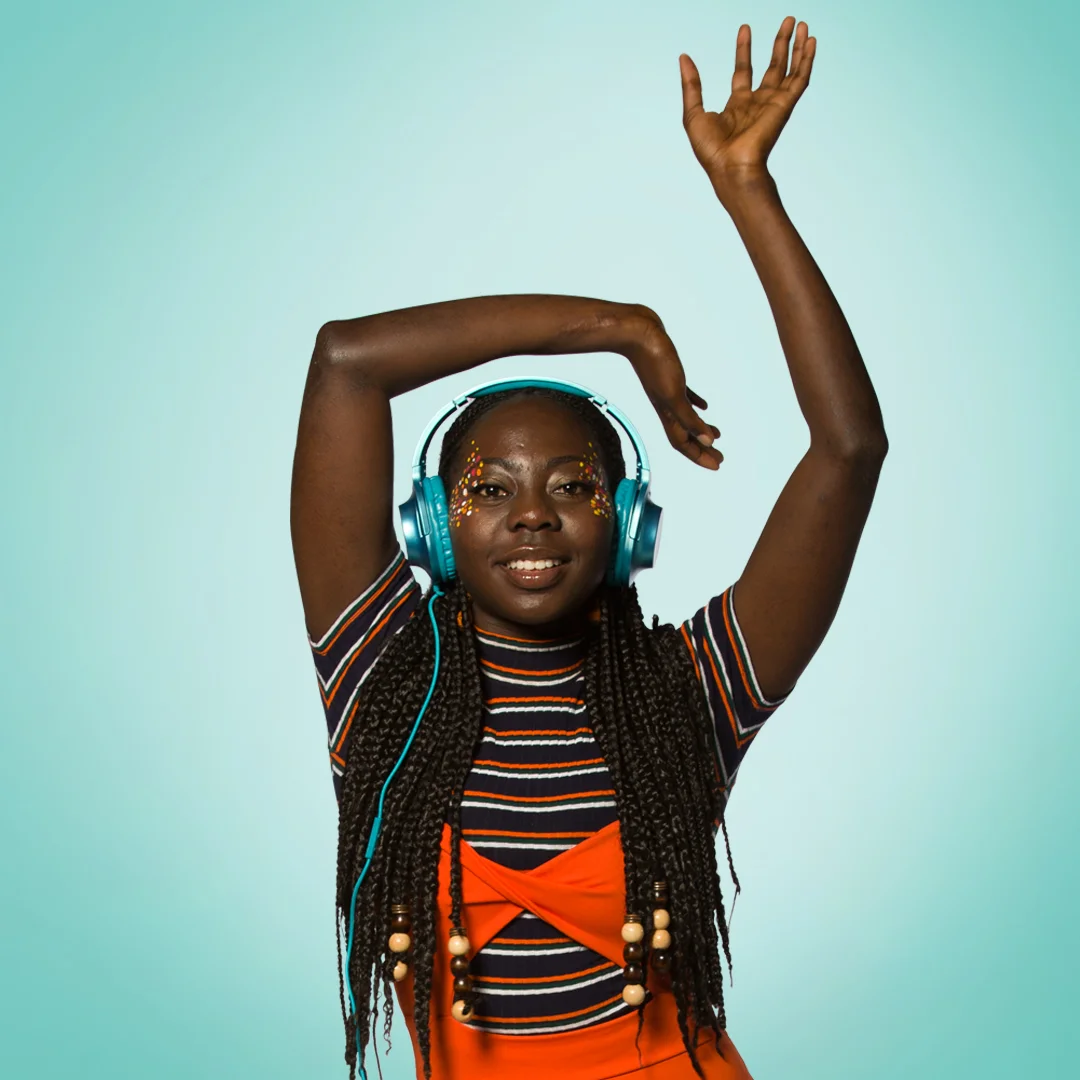
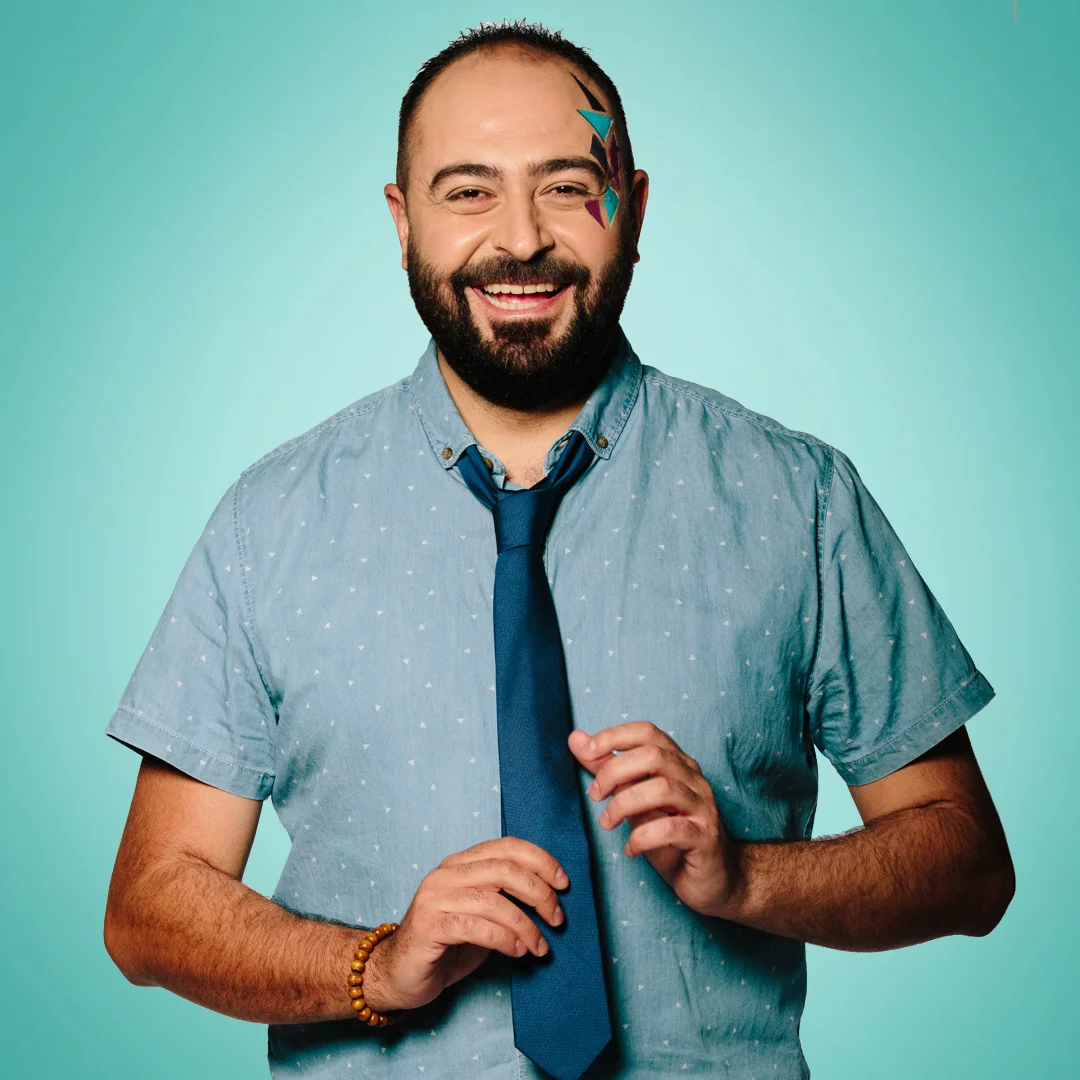


How do we ensure newcomers find belonging in our neighbourhoods?
Each year, Queensland welcomes around 3,000 refugees each year into our neighbourhoods. They are ordinary people who have faced extraordinary circumstances and taken the courageous decision to leave incredibly dangerous situations, driven by the hope of creating a new life for themselves and their families.
Multicultural Australia settles these new Queenslanders in our neighbourhoods. We welcome them at the airport, find them homes, and assist them to join English classes and find a job. This work of welcome is vital but it doesn’t guarantee that newcomers find belonging in our communities.
Creating welcoming neighbourhoods is something that depends on all of us. It is possible when we embrace and recognise every individual as someone with a unique story to tell and an important contribution to make. Through theatre, we see this process unfold in front of us. Theatre tells us stories we might not have heard before. Theatre lets us bond and empathise with characters we might ignore if we met on the street. We get to laugh and cry together. We get to practise our curiosity. And in the theatre, in that shared moment, we all belong.
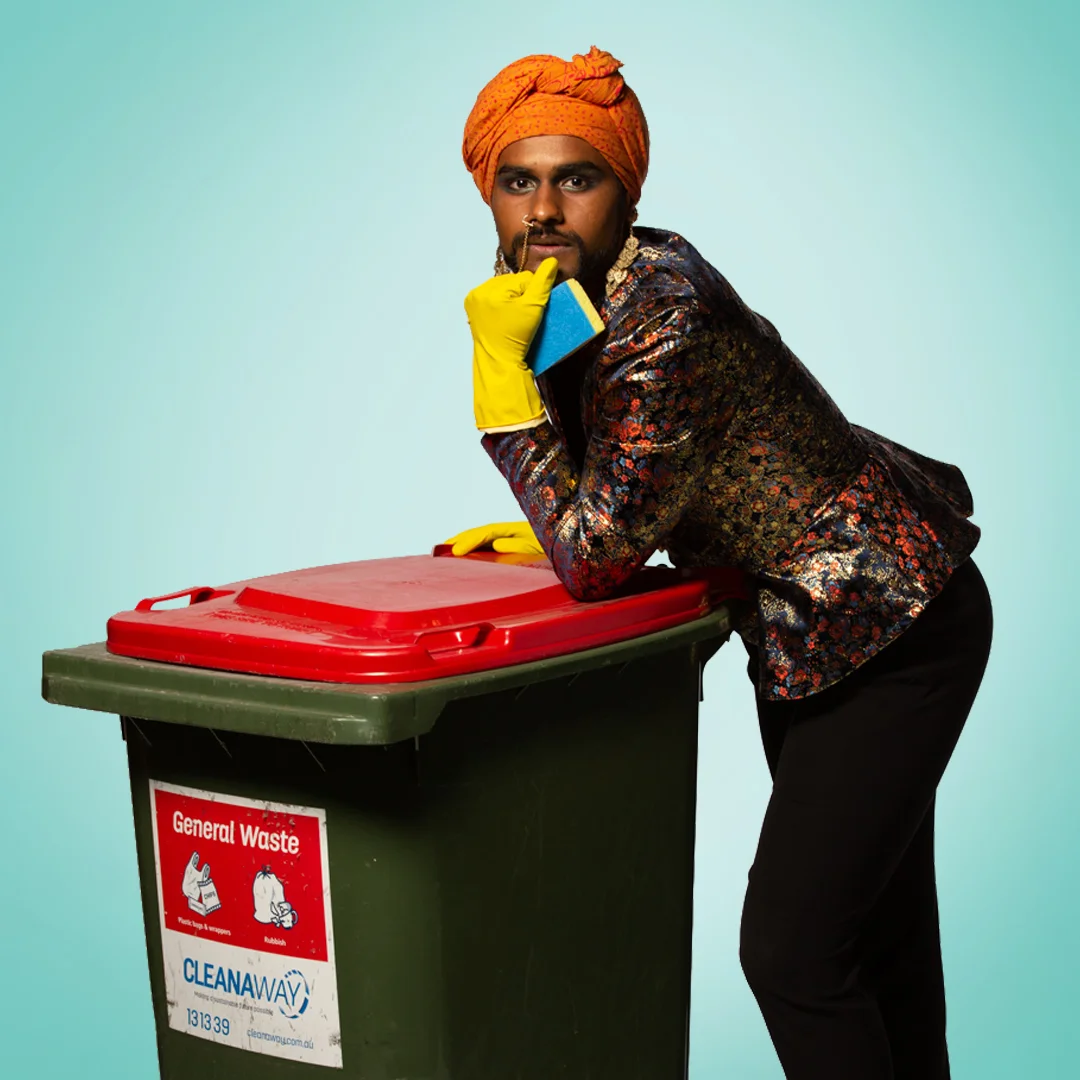
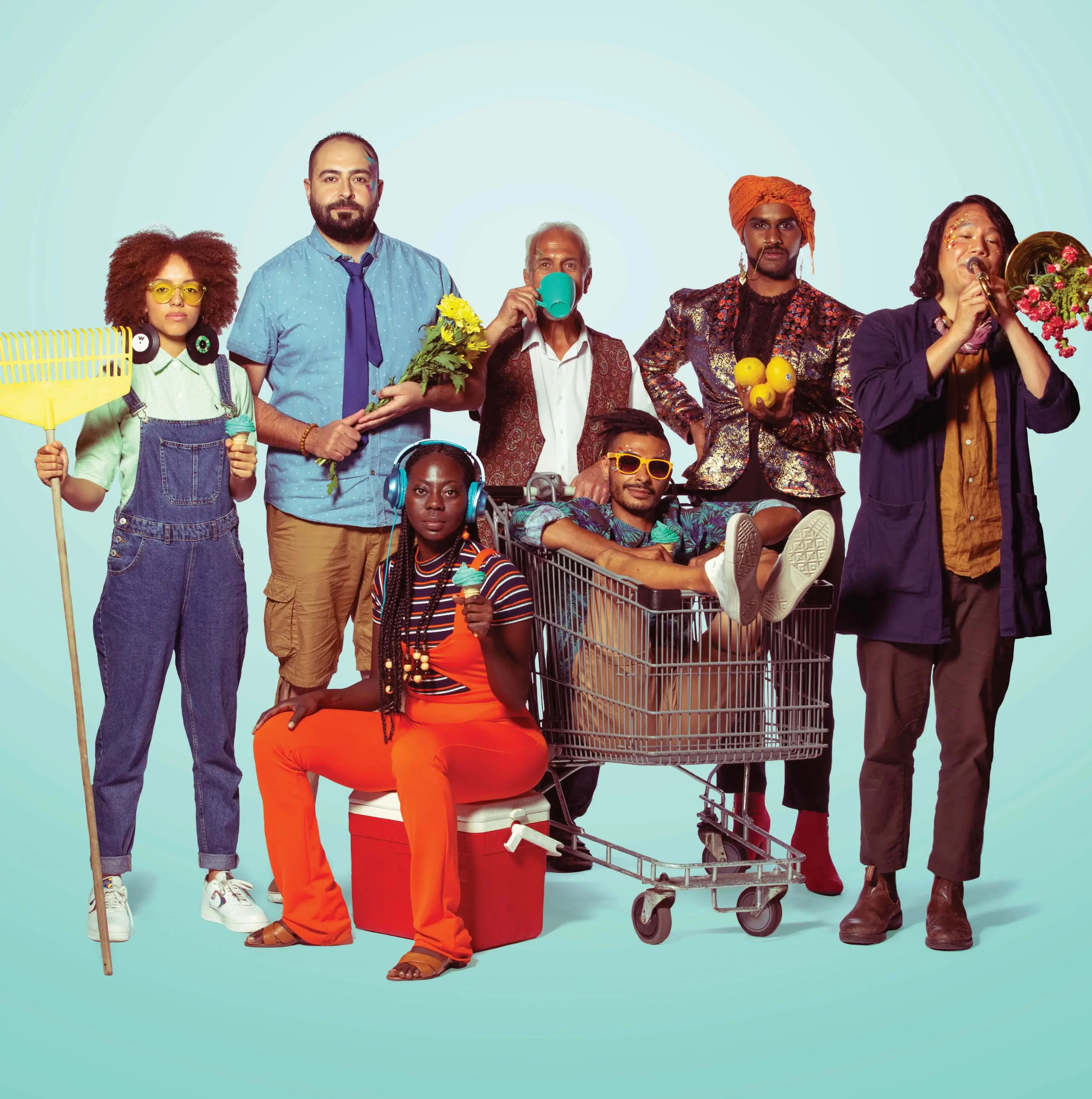
Multicultural Australia partners with La Boite Theatre Company to harness this power of theatre to create a shared sense of belonging for all of us who choose to call Queensland home. Together, we have developed the acclaimed immersive theatre experience The Village (2017) and now the 2020 La Boite season opener The Neighbourhood. Both productions bring the stories of diverse Australians to the stage, including refugees and asylum seekers, as well as second and third generation Australians with diverse cultural heritage. By telling the stories of our diverse people, we tell the stories of our multicultural Australia.
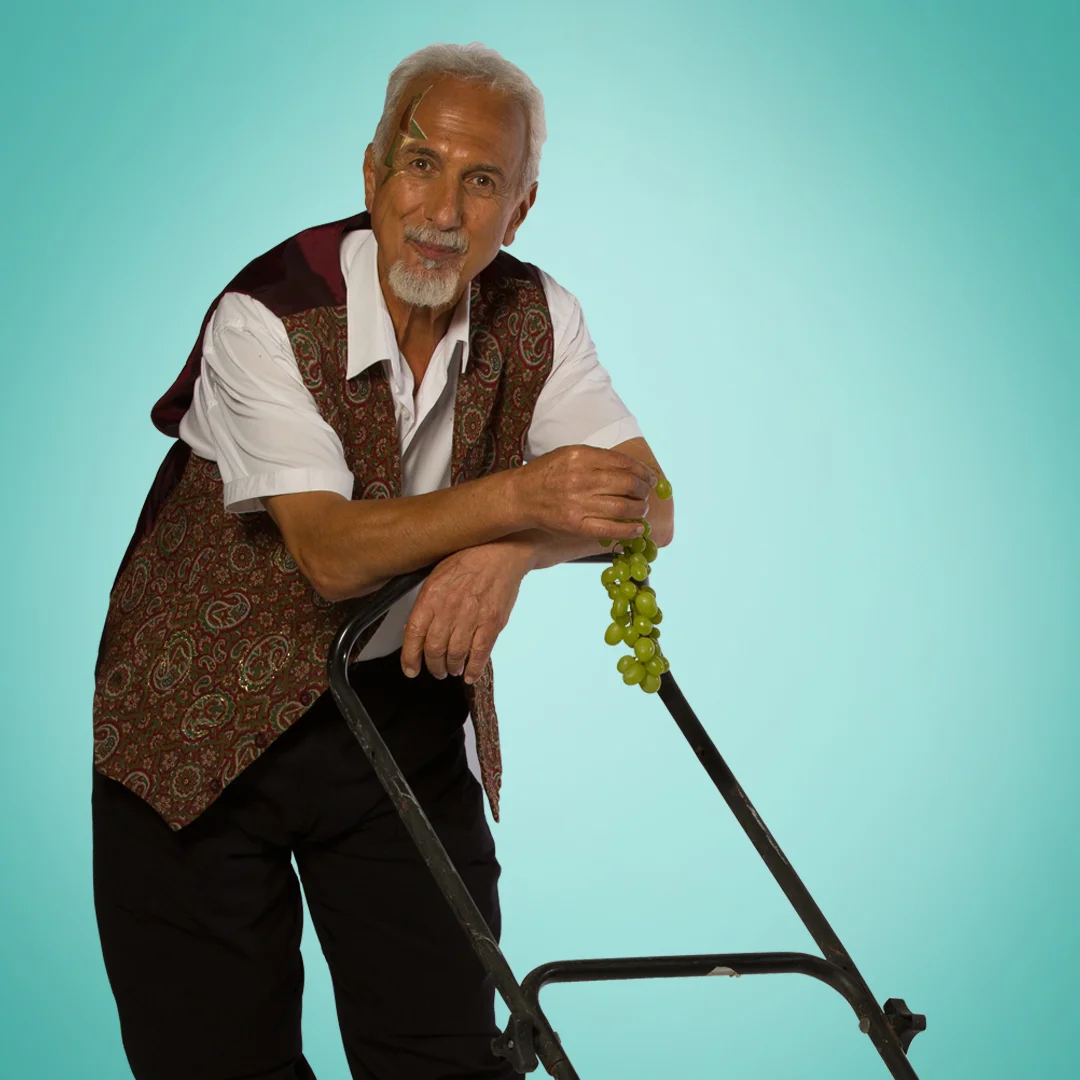

As in art, so in life…
It is our vision that our theatre partnership, showcasing diversity and inviting conversations about welcome and belonging, will inspire audiences to go back to their neighbourhoods and continue those conversations with their families, friends and communities.
Both The Village and The Neighbourhood productions include strong engagement with school audiences. We know that if young people recognise the value of diversity and belonging, as our future leaders our communities are in safe hands. We are thrilled to hear about a teacher taking her drama students to see The Neighbourhood. The show fits perfectly with their curriculum and they will analyse the show for their assessment and devise their own production using similar storytelling processes.
We look forward to sharing many more stories of the impact of The Neighbourhood on schools and audiences throughout its Brisbane and Toowoomba seasons.
Purchase your tickets to The Neighbourhood now, use the code WELCOME to get a $10 discount.
Join the community that is creating welcome and belonging for all Australians. Sign up at www.multiculturalaustralia.org.au and follow us on Facebook at @multiculturalAU.
There’s no point pretending that big changes don’t breed huge anticipation…
Ever since Kerrin Benson announced she is stepping down as CEO of Multicultural Australia in 2020, we’ve fielded questions left, right and centre. What does this mean for our mission? Where will the social change campaign go? Will Multicultural Australia’s culture and values continue?
All of this anxiety is understandable, if not expected.
Getting this right has been the Board’s priority over the last few months.
And the fact is, we’ve been working behind the scenes to secure a new leader for our team that will take Multicultural Australia into the next decade as a stronger and more active organisation for new Queenslanders.
We are absolutely delighted to announce the successful CEO, Mr Bill Gamack.
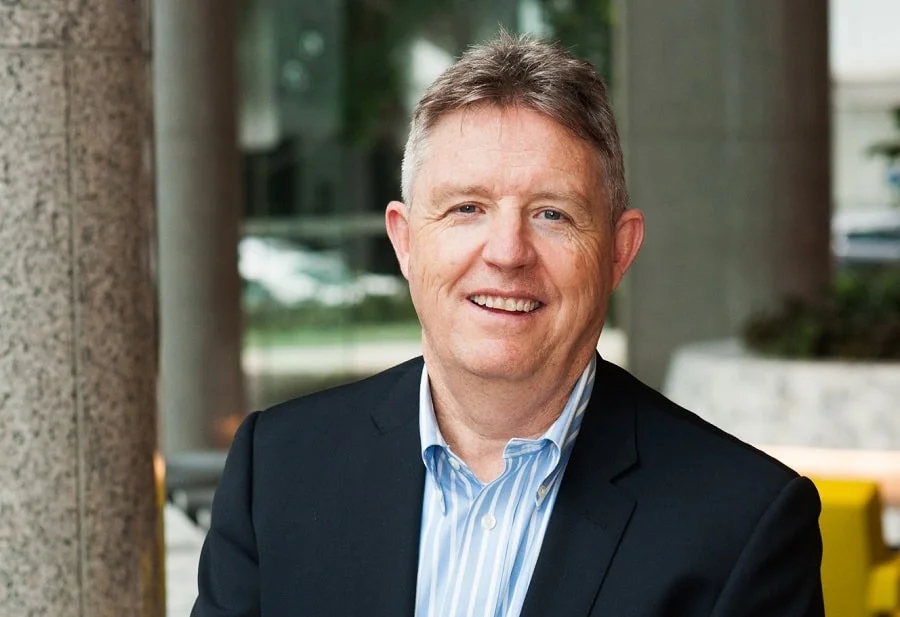
Bill is an accomplished CEO who understands what it means to serve the disadvantaged. His most recent 6-year stint as the chief executive of a large disability service provider is testament to that.
Bill is passionate about social justice and creating a truly inclusive community. As a leader, he has a track record in realising organisations’ visions while growing them.
We know that building a stronger organisation is all about knowing where to build, where to shine and where to learn.
The Board is confident that Bill is going to build on Kerrin’s successes.
That will mean:
You will all have a chance to meet Bill after he starts on 28 January, 2020. He will be spending two weeks with Kerrin for a handover, before she leaves us on 14 February, 2020.
Please make Bill welcome. Our ask of you, as the Multicultural Australia community, is as it has always been; commit to our success and commit to a more welcoming Queensland.
Yours sincerely
Peter Forday
Chair of the Board


Multicultural Australia acknowledges the traditional custodians of the land on which we meet today.
As the world’s oldest living cultures, we recognise that Australia always has been and always will be Aboriginal and Torres Strait Islander land.
We who come from many places pay our respects to Elders throughout all time and commit to learning from the knowledge, traditions, stories, spirituality, and experiences of Aboriginal people as we learn to live on their land.
We walk together in solidarity of the pain of the past, and in shared hope for the future.
Select your desired option below to share a direct link to this page.
Your friends or family will thank you later.